
Banks: Finance, Management, Business
Student research contributor to Prof. Dr. Eng. Zdravko Gargarov's monograph, researching human behaviour and decision-making under financial risk for its chapter on banking risks.
Cited contributor
Books, research papers and articles by our founder, Lia Moskov — much of it shaped by CWF's work in Mozambique. Read, download or buy below.
Why do states regulate human bodies? A narrative non-fiction book on biopower, legibility, and the body as resource, as object of care, and as moral order.
Governments count us, vaccinate us, conscript us, feed us and forbid us. Every modern state — however liberal — compels vaccination and quarantine, licenses who may cut into a body and under what conditions, criminalises certain drugs and certain acts, conscripts bodies into armies, registers every birth and death, and in the extreme claims the right to confine or kill. Bodies of the State asks why.
Its answer is that the body is never just the person's own. To the state it is three things at once: its basic resource — the labour, soldiers and taxpayers it must count, keep healthy and keep in place; its object of care — the thing public health, welfare and medicine exist to protect, and the ground on which the state earns its legitimacy; and the surface on which political order is written — where a society's ideas about what is clean, normal, moral and permitted are enforced one body at a time. Across nine chapters the book follows these three logics through history and into the present — from census and conscription to vaccination campaigns, drug laws, reproductive politics and the biometric state — and shows how often "care" and "control" turn out to be the same act seen from two sides.
It is written for readers, not specialists, and it grew out of the question CWF's work keeps raising in Mozambique and Bulgaria: who decides what a child's body needs, and who gets to answer.
Published in 2026 in English and in a Bulgarian edition by the Institute for Social and Political Studies, Sofia.
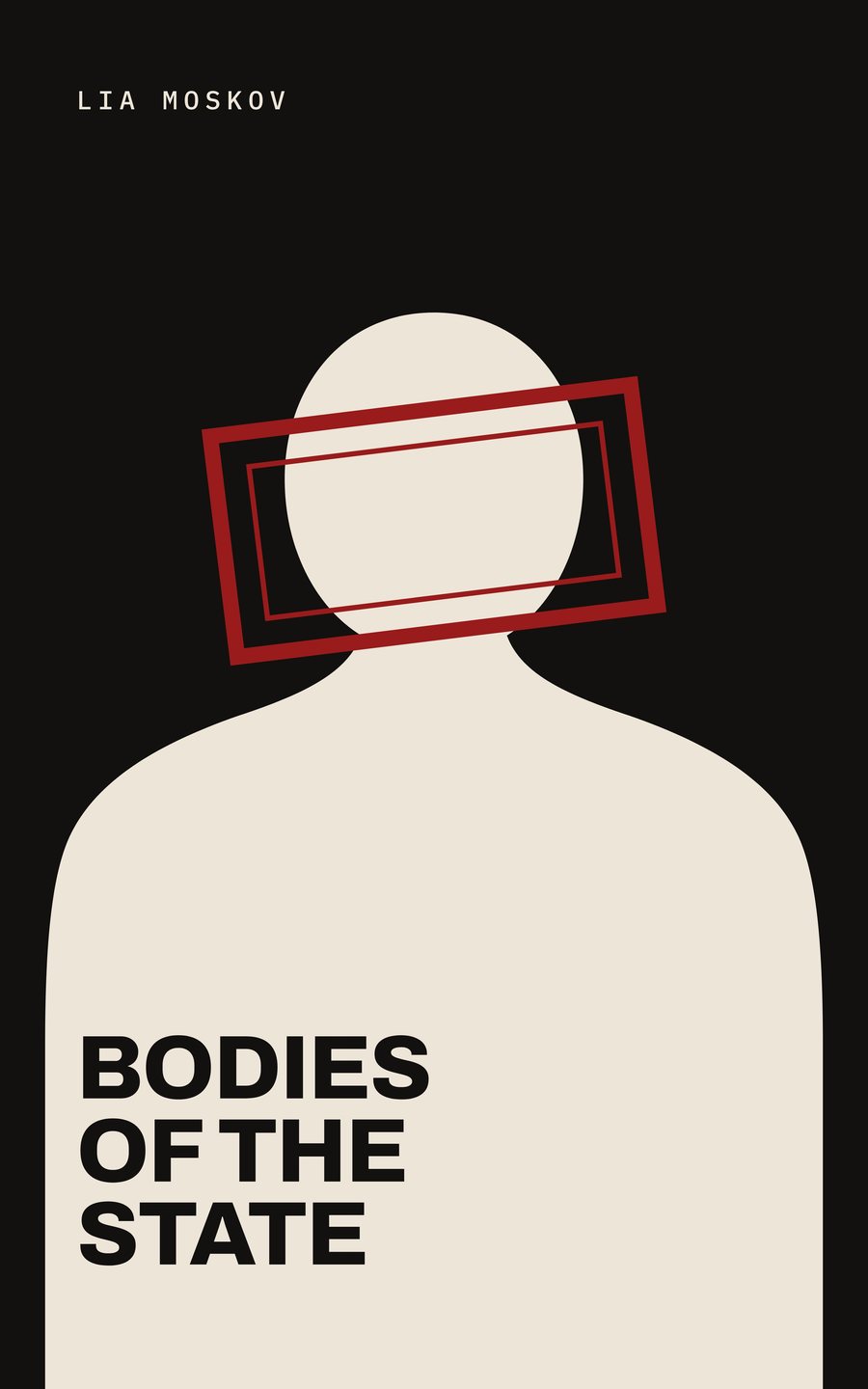 Bodies

What happens to a health system when the money that holds it up is pulled away?
An independent research paper on the consequences of US aid cuts for public health across Sub-Saharan Africa, using Mozambique as its central case study — and drawing on CWF's own fieldwork in Beira: the SAAJ adolescent health centres, the youth and women's associations, and the wards of Beira Central Hospital. Published as a preprint on SSRN.
Alongside the book and the paper, a rolling list of published and in-progress work. New pieces are added here as they come out.
Student research contributor to Prof. Dr. Eng. Zdravko Gargarov's monograph, researching human behaviour and decision-making under financial risk for its chapter on banking risks.
Cited contributorResearch assistance to Professor Vesselin Popovski on a forthcoming book on international criminal law and post-conflict accountability.
OngoingA youth newsletter on history, politics and philosophy, founded and edited by Lia — writing by young people, for young people, on the ideas that shape the world they are inheriting.
Founder & editor-in-chiefLia in conversation about CWF's mission, the Beira field visit and what it takes to start a charity at school, on Godolphin & Latymer's Young Pioneers podcast.
Listen on SpotifyThe write-up of CWF's May 2026 field visit to Mozambique — the SAAJ centres, Anandjira, Kuplumussana and Beira Central Hospital — and the programme that followed it.
Read the trip reportIf you'd like to commission a piece, invite Lia to speak, or collaborate on research into child health and public policy, get in touch.
Get in touch